Repentant Cattle Rustlers Rurrender 104 Guns, Other Weapons to Governor Masari

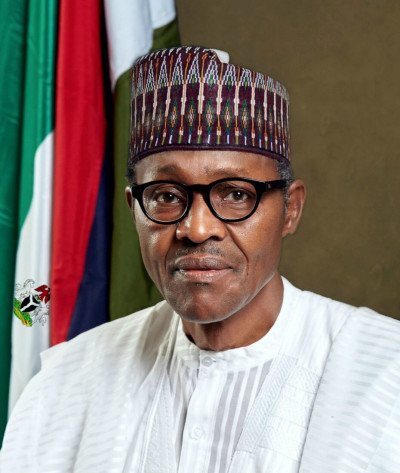
Some repentant cattle rustlers and vigilantes surrendered 104 AK-47 rifles and other weapons to the Katsina State Government on Sunday.

The exercise was part of the state’s dialogue/amnesty programme.

They gave up the weapons at a ceremony organised by a special committee led by the Secretary to the State Government, Alhaji Mustapha Inuwa, in Kankara on Sunday.

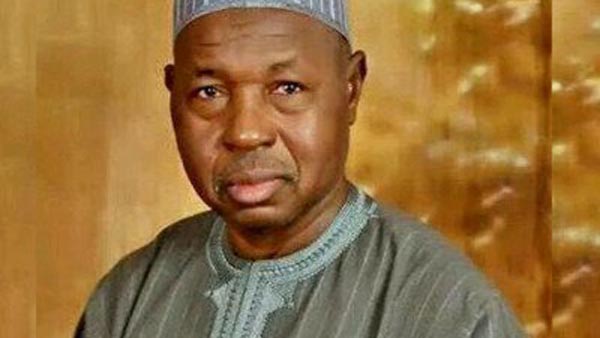
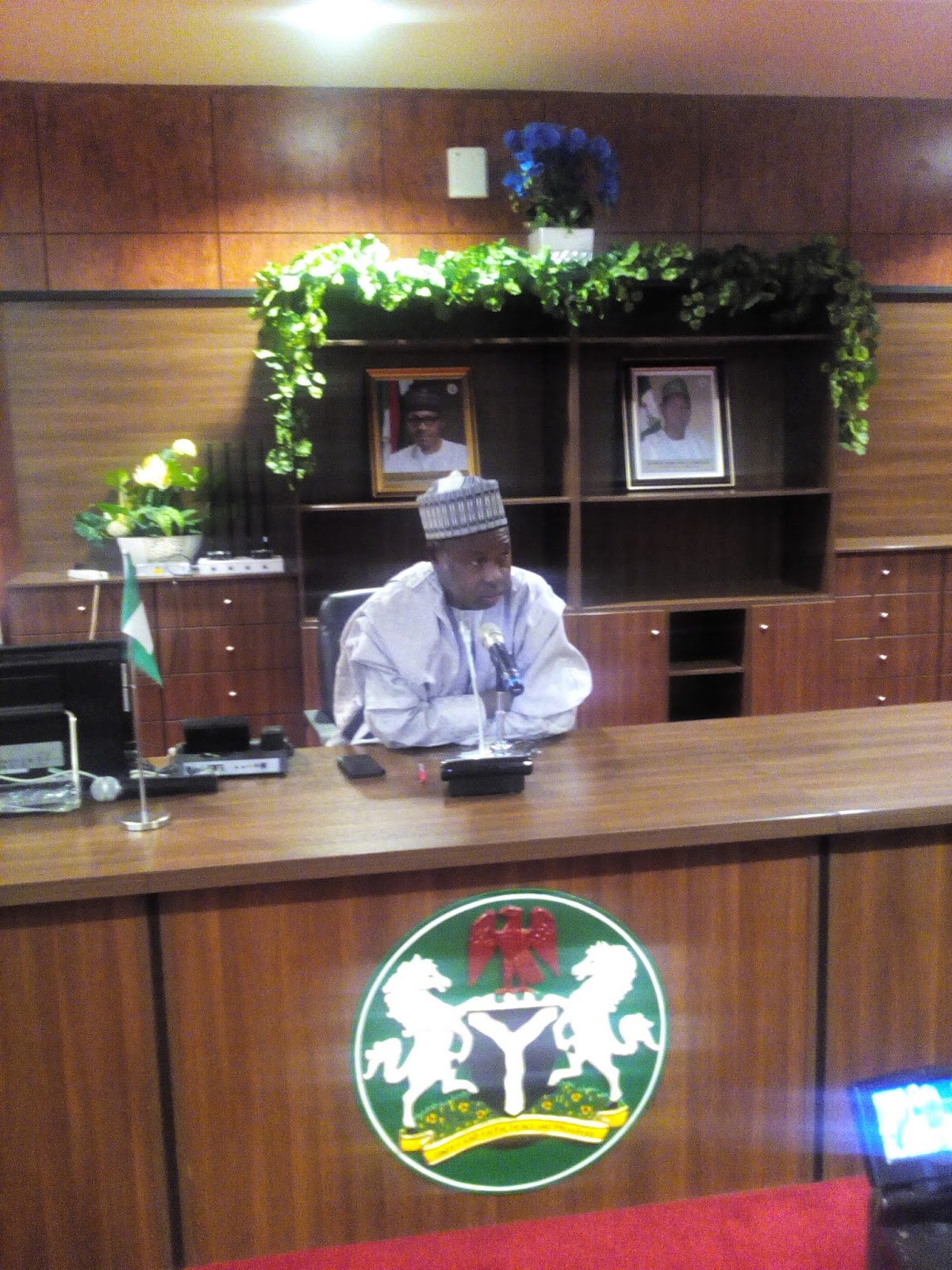
Receiving the weapons, Gov. Aminu Masari, commended the committee, traditional rulers and members of the groups for the success being recorded by the programme.

Masari urged them to now interact with members of their respective communities freely. He also urged the people of the communities and security agencies to accept them back.

He pledged to provide schools, clinics and other amenities for their resettlement.

He said the reconciliation move was initiated to ensure peace and cordial relationship among the various groups in the area.

Katsina State Government Updates: 500 Graduates Get Start-Up Capital From Governor Masari

No fewer than 500 trainees from Katsina State who graduated from North West Entrepreneurship Development Centre in Katsina are to receive start-up capital from the state government, Governor Aminu Bello Masari, has said.

Speaking at the presentation of certificates to the graduates, Masari stressed the need for more collaboration between the government and the centre to boost youth empowerment in the state.

He also noted that the state directorate of economic empowerment would liaise with Bank of Industry as part of the efforts to enhance the capital base of the beneficiaries of the two-week training programme.

The governor, who assured that his administration would continue to partner with agencies and individuals active in promoting youth empowerment, promised to sustain the government’s policy of distributing 60 per cent of its soft loans and grants to female and male beneficiaries in ratio 60 to 40 in favour of female.

Earlier, the special adviser to the governor on economic empowerment, Hon. Abdulkadir Mamman, disclosed that the participants in the entrepreneurship development programme had been registered as members of different cooperative groups to enable them source capital from development partners.
According to him, the youth drawn from the 34 local government areas of the state were trained in Katsina, Funtua and Mashi centres.

THE GAMBIA: PRESIDENT BUHARI HOSTS WEST AFRICAN LEADERS IN ABUJA ON MONDAY

In furtherance of his mandate as mediator, the President of the Federal Republic of Nigeria,  Muhammadu Buhari will be hosting four other West African leaders to a meeting aimed at avoiding violence and preserving democracy in The Gambia.

President Buhari, and the immediate past President of Ghana, John Mahama as Mediator and Co-Mediator respectively, have also been mandated by the Economic Community of West African States (ECOWAS) to ensure the safety of the President-elect, Adama Barrow and ensure a peaceful handover of power on January  19.

The meeting in Abuja is following the one in Accra on the sidelines of the inauguration of that country’s President which expressed the readiness of the leaders of the sub-region to continue the pursuit of dialogue with the leaders of The Gambia.

The Presidents of Liberia and Senegal, the Vice President of Sierra-Leone and ex-President Mahama are expected at the meeting.

GARBA SHEHU
Senior Special Assistant to the President
(Media and Publicity)
January 8, 2017

Governor Masari Bags New Traditional Title "Shettima Alamma" From Mai Of Potiskum

Katsina State Governor, Rt. Hon. Aminu Bello Masari has been bestowed with the traditional title of Shettima Alamma by Emir of Potiskum (Mai Pataskum), HRH Alh. Umaru Bubaram Ibn Wuriwa Bauya 1.

The Mai Potiskum announced the traditional title when he received the Governor who paid him homage at his palace in potiskum.

Alhaji Umaru Bubaram told Governor Masari that the traditional title of Shettima Alamma was only bestowed on trustworthy and honest people.

He said Governor Masari had demonstrated honesty and trustworthiness when he was serving as the speaker of house of representatives.
The Mai potiskum expressed optimism that the future would be bright for Aminu Bello Masari after his tenure as a Governor.

Responding, Governor Aminu Bello Masari expressed gratitude to the Mai potiskum for not only the traditional title but the warm reception accorded accorded to him.
The speaker of katsina state house of assembly, Alhaji Aliyu Sabi’u Muduru who accompanied the Governor expressed appreciation to the Mai of potiskum for honouring not only the Governor but the people of katsina state.

The governor was in potiskum for the wedding fatiha of the daughter of his close associate.
The governor stood In as the wakil of the daughter of Alhaji Muhammad potiskum.

Fatima was given out to Bello at a dowry of fifty thousand naira.

The marriage, which was colourful was graced by the speaker of house of assembly, Alhaji Aliyu Sabi’u Muduru and some members of the state house of assembly along with politicians from both katsina and Yobe States.

Agriculture and the restoration agenda in Katsina State By Jibrin Ibrahim

I visited Katsina over the holidays and took the opportunity to attend the launching of the Rice Anchor Borrowers Programme in Jibia sponsored by the Central Bank and the Bank of Agriculture. The project is aimed at developing the rice value chain by supplying credit for improved seeds, pesticides, herbicides and fertilisers. The State Government is also guaranteeing minimum prices for the purchase of the rice harvest. Agricultural extension services will be offered to the farmers and mini rice mills are currently being procured for the project. Other crops that would be receiving support in the State are cotton, sorghum, maize, tomatoes and wheat. Katsina State is currently capturing the bio data of all farmers and the surface area of their farms to facilitate easy access to agricultural support programmes and the information would also be linked to BVN bank data so that genuine farmers alone benefit from the programmes.

The Governor, Aminu Bello Masari is engaged in what they call a restoration project aimed at restoring the State to its former glory. I spoke to Manir Yakubu, the Deputy Governor, who also doubles as the Commissioner for Agriculture. He reminisced about a long history of missed opportunities. Katsina State, he explained has over 80 surface water bodies, three of which are large and had been constructed by the Federal Government. Both Zobe and Jibia dams have 140 million cubic litres of water each while Sabke dam has 37 million cubic litres of water. The State Governments, under the far sighted Abba Kyari and Balarabe Musa Administrations in the 1970s and 1980s had constructed over 70 small earth dams and all these surface water sources were supposed to have been used to promote dry season irrigation-based farming that would have lifted the majority of the population out of poverty and boosted food supply in the country. Many of the dams had already been serviced with irrigation channels but the whole ambition of an agricultural revolution was abandoned by subsequent administrations and the water left to waste.

The agricultural restoration agenda of the Masari Administration is set to revive these projects and make Katsina State a leader in food production.

Central to Nigeria’s tragedy of persistent underdevelopment has been the tradition of ignoring investments made by previous administration to add value to what exists. Each administration is interested in developing new projects so that they give contracts from which they benefit personally. The Deputy Governor argued that when Governor Shema came into office, the previous Government of Yar’Adua had already executed a massive road development programme. Rather than engage in projects that would directly benefit the people however, the Shema Administration engaged in binge road development projects and contracts and totally neglected education, health and agriculture that would have been of more direct benefit to the people.

There are four elements of the Katsina agricultural restoration project I find innovative and worthy of note. The first is that of addressing the long tradition of land grab Nigeria has suffered from. Over the decades, our successive rulers have taken or bought huge tracks of choice land all over the country to set up mega farms. They never became the large-scale absentee farmers they had promised to become. They are not farming most of the land they acquired. Katsina State is seeking to recover part of the land to allocate to young farmers who would actually farm it.

The second is a project to establish a large organic fertiliser plant associated with a sugar cane project that would provide molasses for the production of organic fertiliser. The idea is to start the process of moving away from chemical fertilisers that ultimately destroy the quality of soils. The third is the expanded production of leguminous crops such as cowpeas and groundnuts associated with advocacy aimed at locally consuming them to improve nutritional standards. Finally, there is a project for the development of greenhouse vegetable production aimed at the export market. These initiatives show smart thinking in relation to promoting better nutrition, soils and incomes. I sincerely hope that they succeed.  

At the federal level, the Minister of Agriculture, Audu Ogbe, has been very focused on creating an enabling environment for agricultural development. The policy regime aims at promoting food security; import substitution for our massive imports of wheat, rice and fish; job creation for our youth; and enhancing economic diversification. The new policy regime, tagged the Agriculture Promotion Policy (APP) Policy is founded on the following guiding principles. Running agriculture as a business by focusing the policy instruments on a government-enabled, private sector-led engagement as the main growth driver of the sector.

Secondly, designing Nigeria’s agriculture policies as key to long-term economic growth and security by focusing policy instruments to ensure that the commercialization of agriculture includes technologies, financial services, inputs supply chains, and market linkages that directly engage rural poor farmers because rural economic growth will play a critical role in the country’s successful job creation, economic diversity, improved security and sustainable economic growth. Maybe the most important principle is seeing food as a human right by focusing the policy instruments for agricultural development on the social responsibility of government with respect to food security, social security and equity in the Nigerian society; and compelling the government to recognize, protect freedom of the people from hunger and malnutrition.

The value chain approach, which focuses the policy instruments for enterprise development across successive stages of the commodity value chains for the development of crop, livestock and fisheries thereby creating much more wealth in agricultural production is fundamental in getting young people to return to agriculture after fleeing from the sector for its notorious lack of progress for farmers. For domestic consumption, the Federal Government has prioritized rice, wheat, maize, soya beans and tomatoes for 2016 – 2018. For export crops, the initial focus will be on cocoa, cassava, oil palm, sesame and gum Arabic. In 2018 onwards, the export focus will add on bananas, avocado, mango, fish and cashew nuts. The plans are good and the hope is that this time round, they would be implemented.

My key concern is the slow move towards genetically modified (GMO) crops that has recently been authorized by the Federal Government. The most direct path towards destroying our ecology and mortgaging our independence in food production is falling prey to the Monsanto lobby that has become very strong in Nigeria. Monsanto is putting a lot of money and resources to tempt our leaders and institutions into GMOs so that they can enslave us. By pointing out the path of organic fertilisers and the promotion of local nutritious foods in Katsina, the idea is to lead us towards a more healthy future for our agriculture and food security. Insecurity in Nigeria has created a massive nutrition crisis in Nigeria, as more farmers are unable to safely access their farms. The result is hunger and malnutrition. Very many of our children are wasting and suffering from stunted growth. The right of all Nigerians to nutritious food must remain a national priority.

Source: Daily Trust, Friday Column

Governor Masari To Build Classrooms For IDPs – Dr Aminu Waziri

Katsina State governor, Aminu Bello Masari, is to construct classrooms, additional conveniences and water supply scheme towards formal and non-formal education of Internally Displaced Persons (IDPs) and rebuilding the socio-economic fortunes of the estimated 1000 affected persons from North East residing in the state.

The Executive Secretary of the State Emergency Management Agency (SEMA), Dr. Aminu Bello Waziri, made the disclosure on Thursday in Katsina while presenting over N1.4 million as assistance to the victims of fire disaster caused by fuel tanker crash which occurred one year ago today, 6th January, 2016, at Malumfashi.

The SEMA boss said the IDPs project would soon be executed; saying once they (children and adults) are moved to IDPs camp, the state government will be able to train them.

“Secondly, we have secured approval to provide some essential commodities that will support them because there have been cases of IDPs roaming the streets, seeking and demanding assistance. If we cannot satisfy their needs, we should be able to within the shortest possible time to provide relief for the IDPs,” he stated.

Waziri also expressed the resolve of the state government to re-settle the IDPs in one camp to avert security risk issues across the state, adding “the Government has approved the development of website for the IPDs and their biometric data capturing in the state. By next week, the consultant should be able to mobilize and start the exercise.”

He also pointed out that the Masari administration recently offered N20 million assistance to Borno State Government to alleviate the suffering of IDPs and others affected by insurgency.

“We hope to manage the IPDs in Katsina who are products of the insurgency in the North East and by next year we expect substantial number of them would have returned to their communities as the situation has actually improved greatly in the North East,” Waziri said.

Looking at how his agency fared in retrospect, Waziri declared: “the issue of emergency risk management in 2016 was quite challenging and yet fulfilling. Resources were not forthcoming in 2016 but the state government recently approved our request to support victims of fuel tanker incidence with 40 per cent of the estimated loss suffered by each individual.”

Katsina to Commence Biometric Data Capture of IDPs – Dr Aminu Waziri

Katsina state emergency management agency is to begin biometric data capture for all Internally Displaced Persons (IDP’s) taking refuge across the state for proper documentation and support.

Speaking at a press conference on the activities of the agency in the last year, the Executive Secretary, Dr. Aminu Waziri said this were among some of the international best practices used for rapid monitoring and developing an IDP.

He said, approval for the construction of additional facilities at the permanent IDP camps have been received and work will commence in earnest to provide the IDPs with vocational training alongside other empowerment programs.

“We are coming up with an execllent data base that international donors needs to key into our efforts of alleviating the sufferings of the IDPs,” he added.

Leadership by Example: Governor Masari Gives Cash To Accident Victims

In a practical demonstration of the resolve to ensure the welfare of the people of Katsina State, the State Governor, Aminu Bello Masari, has given N100, 000 to each of the families of three the persons that lost their lives in a road crash along Dankama – Kaita road on their way to Charanchi Market on New Year Day.

Similarly, the governor also presented monetary assistance to dozens of the accident victims that were recuperating at their homes in Kaita Local Government Area of the state after their discharge from hospitals in Katsina recently

Addressing the families of the deceased, Governor Masari, represented by the Head of Kaita Local Government Administration, Hajiya Umma Abdullahi Mahuta, assured that the state government would not relent in taking steps necessary to ensure the well being of the people of Katsina.

 Masari, who was in the area to commiserate with the families of the deceased and sympathize with the survivors of the fatal accident that left about 50 persons in various degrees of injuries, prayed God to grant the deceased eternal rest and give their families the fortitude to bear the loss.

While sympathizing with other victims of the accident, the governor explained that the monetary assistance was meant to supplement their cost of treatment while recovery at home.

Visiting those still on admission in Katsina General Hospital and the state orthopedic hospital, Masari assured that the government would not relent on in taking all steps necessary to ensure their Medicare up to the time they would be discharged from the hospital, while praying for their speedy recovery.

Katsina Bags 2016 ‘Most Visible State in Media’ Award

Media Search for Accountability, an NGO, has adjudged Katsina State as the ‘Most Visible State in the Media’, amongst the 36 states of the federation in 2016.

A report by the organisation made available to newsmen in Kano on Tuesday, indicated that the findings did not include government sponsored materials, like advertisements and supplements.

The report signed by Mr Jackson Walter, edia Manager of the organisation, said it focused on development stories generated from all the states.

“Before reaching this conclusion, we did our very best to see that all the stories that were used as research variables, were the ones that emanated from the reporters working in the states.

“It is based on what was reported that we used in our research.

“To avoid misleading conclusions, the research did not consider news materials or information sponsored in newspapers, radio and television stations and on social media platforms.

”We considered those items as tailored”.

It added that preferences were also given to stories that had direct link to the citizenry, especially the poor and vulnerable.

“Our work will be an eye opener for states that are doing well, but lack effective and efficient media team to market their achievements,” the statement said.

According to the release, “Katsina state emerged the most visible state in the Nigerian media in 2016.

“Our findings showed that apart from the Ministry of Information and Office of the Special Assistant on Media to the Governor, other state-based stakeholders were up and doing, in marketing government policies and programmes,” it said.

The statement further revealed that, “Akinwumi Ambode’s Lagos state and, Willie Obiano’s, Anambra state both emerged second position.

“ We found out that, they were also up and doing in becoming very visible in the Nigerian media.

“In these states also, you will find out that almost all government functionaries made it obligatory to always inform the society about happenings in government circle.

“What really failed some of the states, was the lackadaisical attitude of some top government functionaries by being very elusive to even journalists, whose primary responsibility is to bridge information gap between government and the governed,” the report said.

According to the body, Gombe state was third on the log.

“Apart from the governor being accessible to the working journalists in the state, other government ministries, departments and agencies are media-friendly.

“With that, media men were given all the needed attention and opportunity to report to the world about happenings in the state,” the statement added.
However, Delta and Kebbi states were rated the least visible states in the media according to the report

“Kebbi state for example only recently started showing up in the media due to the collaborative effort between the state and Lagos state in rice production.

“Apart from this, Kebbi state was nowhere to be found in the media, at least within the period of our research work.” (NAN)
Design a site like this with WordPress.com
Get started